Tile Grout Color Guide: How to Pick Without Regret
How to choose grout color that reads well over time — plus the 3 forever-neutral colors pros use.
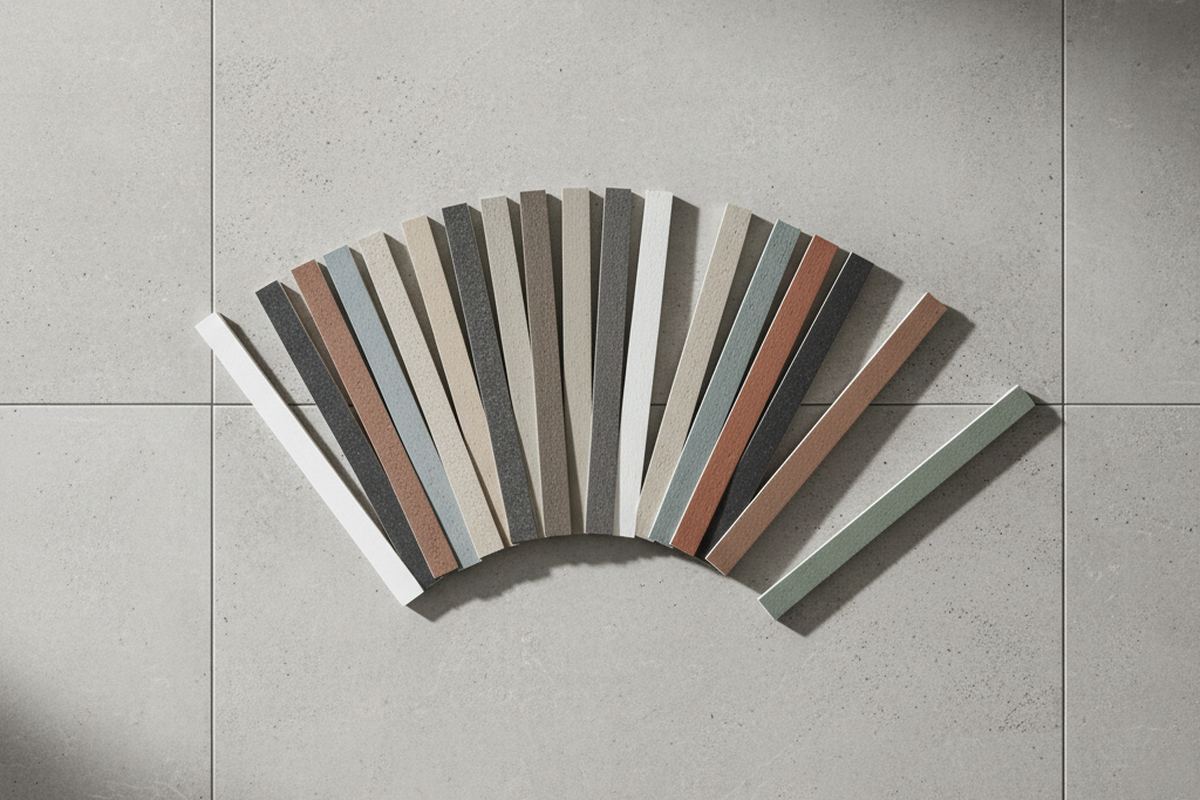
Selecting the right grout color for your tile project is a decision that significantly impacts the final aesthetic. While often an afterthought, grout can either enhance your tile's beauty or detract from it. The goal is to choose a color that creates a cohesive and visually pleasing surface, one that you will appreciate for years to come. This guide will walk you through the practical considerations and design principles to make an informed choice, avoiding common pitfalls.
Understand Grout's Role in Design
Grout serves both functional and aesthetic purposes. Functionally, it fills the gaps between tiles, providing structural integrity and preventing moisture intrusion. Aesthetically, it acts as a design element, either blending with the tile for a seamless look or contrasting to define each tile's shape. This interplay between tile and grout significantly influences the overall perception of the tiled surface, from expansive floors to intricate backsplashes.
When considering grout color, think about the visual impact you want to achieve. A contrasting grout emphasizes the individual tiles and their pattern, creating a more dynamic appearance. Conversely, a matching or complementary grout color allows the tile itself to be the primary focus, resulting in a more uniform and subdued surface. Your choice here sets the tone for the entire room's design.
Consider Your Tile Color and Undertones
The most critical factor in choosing grout color is your tile itself. Hold grout samples directly against your tile in various lighting conditions. Pay close attention to the tile's undertones – are they warm (red, yellow, orange) or cool (blue, green, purple)? Your grout should ideally share similar undertones to create harmony, even if the colors are different. For example, a cool-toned gray tile pairs best with a cool-toned gray grout.
For tiles with multiple colors or patterns, select a grout color that matches the least prominent color within the tile. This technique allows the primary colors and patterns of the tile to stand out without competing with the grout. If your tile is a solid color, consider whether you want the grout to blend in or provide a subtle outline. Darker tiles often benefit from slightly lighter grout, and vice versa, to avoid a monolithic look.
The Power of Light vs. Dark Grout
Light-colored grouts, such as white, cream, or very light gray, tend to make spaces feel larger and brighter. They can create a clean, expansive look, particularly with light-colored tiles. However, light grouts are more susceptible to showing dirt, stains, and discoloration over time, especially in high-traffic areas or environments prone to splashes like kitchens and bathrooms. Regular cleaning and sealing are crucial to maintain their appearance.
Dark-colored grouts, including charcoal, black, or dark brown, offer practical benefits by concealing dirt and stains more effectively. They provide a dramatic contrast with lighter tiles, highlighting the tile pattern and adding a sense of depth. While dark grouts are more forgiving with dirt, they can sometimes make a space feel smaller or busier if used excessively with highly contrasting tiles. They can also show efflorescence (white mineral deposits) more prominently, though this is usually treatable.
Calculate how many tiles you need — with pattern waste, thinset, and grout coverage included.
Open the Tile CalculatorThe Three Forever-Neutral Grout Colors
For a timeless and versatile choice, professionals often rely on three specific neutral grout colors: light gray, medium gray, and a warm off-white (like an almond or bone color). These colors are incredibly adaptable and work well with a vast range of tile styles and colors. Light gray provides a subtle definition without being stark, while medium gray offers a bit more contrast and excellent stain-hiding properties.
The warm off-white, often described as bone or almond, is perfect for tiles with warm undertones, such as travertine, terracotta, or many wood-look tiles. It offers a softer alternative to bright white, which can sometimes appear too stark or cold. These three neutrals are popular because they allow the tile to be the star, provide a clean finish, and are forgiving in terms of maintenance and long-term appeal.
- Light Gray: Versatile, subtle definition, works with cool or neutral tiles.
- Medium Gray: Good contrast, excellent for hiding dirt, modern aesthetic.
- Warm Off-White (Almond/Bone): Soft, blends well with warm-toned tiles, less stark than pure white.
Test Samples Before Committing
Never make a final grout color decision based solely on a small swatch or online image. Grout colors can appear significantly different once mixed and applied, and lighting conditions play a crucial role. Always obtain physical grout samples – many manufacturers offer small, dried pucks or actual mixed samples – and place them directly against your installed tiles.
Observe the samples at different times of day and under various lighting conditions (natural light, artificial light). This step is inexpensive and invaluable, preventing costly regrets. You might find that a color you loved in the store looks entirely different in your home's unique environment, saving you from a mismatched result.
Maintenance and Sealing Considerations
Regardless of the color you choose, proper maintenance is key to the longevity and appearance of your grout. Grout is porous and can absorb stains, especially in high-traffic or wet areas. Sealing your grout is a critical step, usually performed 24-72 hours after installation, to protect it from moisture and stains. Most sealants need to be reapplied every 1-3 years, depending on the product and traffic.
For areas like shower floors or kitchen backsplashes, consider using an epoxy grout. While more expensive and challenging to install, epoxy grout is non-porous, highly resistant to stains, chemicals, and mildew, and does not require sealing. This can be a worthwhile investment for high-moisture or high-use areas where durability and low maintenance are top priorities.
Estimating Grout Needs for Your Project
Accurately estimating the amount of grout needed prevents multiple trips to the store and ensures you have enough for a consistent color throughout your project. The amount required depends on several factors: tile size, grout joint width, and tile thickness. Smaller tiles with wider grout lines and thicker tiles will generally require more grout per square foot.
As a general guideline for a typical 1/8-inch grout line with 12x12 inch tiles, you might need approximately 5-7 pounds of sanded grout per 100 square feet. For larger tiles or narrower joints, this amount decreases. Always consult the grout manufacturer's coverage chart on the packaging and consider adding 10-15% for waste and potential future repairs. Using an online tile calculator can provide a precise estimate based on your specific project details.
The bottom line
Choosing the ideal grout color involves balancing aesthetics with practicality. By carefully considering your tile's characteristics, the desired visual effect, and maintenance requirements, you can select a grout that enhances your space. Take your time, test samples, and think long-term to ensure your tiled surfaces look beautiful and perform well for years to come.
Get more guidance like this in your inbox
Weekly emergency-fund tactics, milestone checklists, and the next article — delivered free.
Run your own number
Get a personalized emergency fund target based on your income, expenses, and job stability.
Open the calculator