Tile vs LVP: Cost, Durability, and Resale Verdict
Head-to-head verdict on tile vs luxury vinyl plank across every room type.
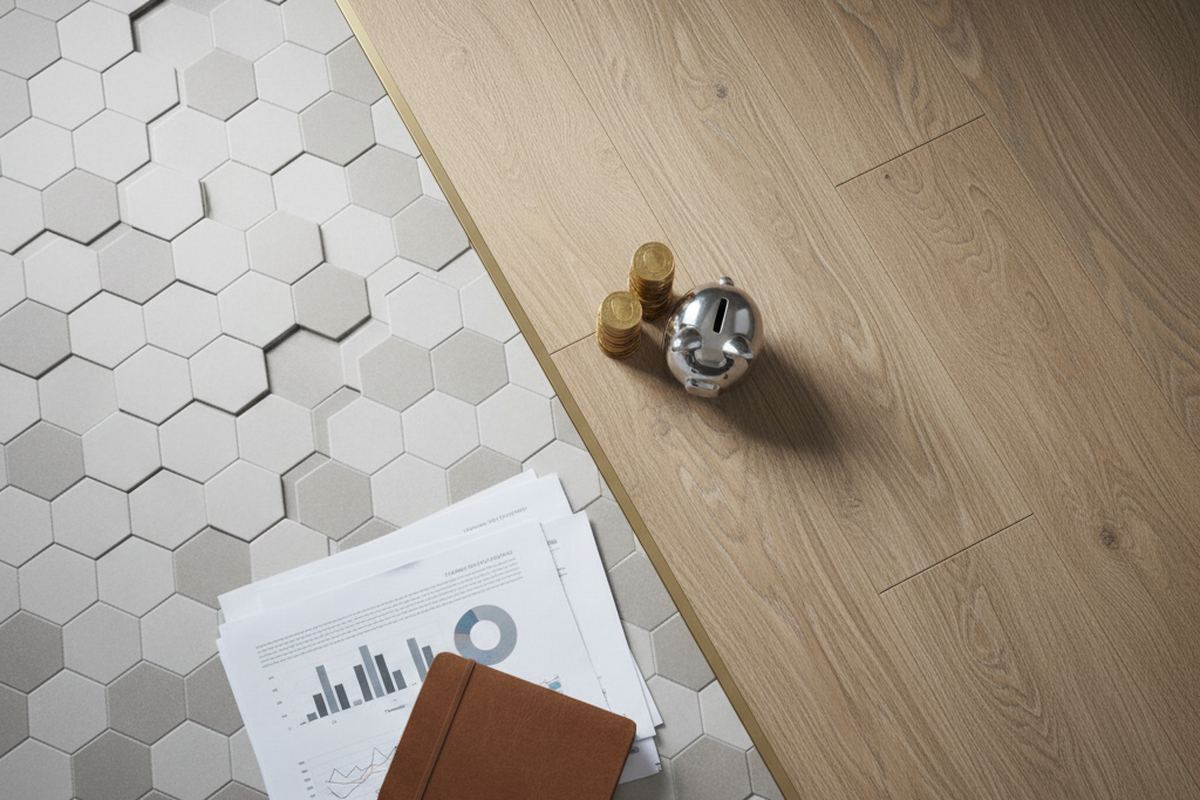
Choosing the right flooring is a critical decision for any home project, impacting both aesthetics and long-term value. When weighing options, two popular contenders often emerge: traditional tile and luxury vinyl plank (LVP). Both offer distinct advantages and disadvantages across various factors like cost, durability, and maintenance. Understanding these differences thoroughly can help you make an informed choice that aligns with your budget, lifestyle, and home's specific needs, whether you're tackling a bathroom remodel or a kitchen overhaul.
Initial Investment: Understanding the Price Tag
The upfront cost of flooring materials and installation can vary significantly between tile and LVP. For materials alone, basic ceramic tile might start around $1.50 per square foot, while higher-end porcelain or natural stone can exceed $15 per square foot. LVP materials generally fall within a narrower range, typically from $2.50 to $7 per square foot. These figures reflect a broad spectrum of quality and design, so it's essential to compare similar grades.
Installation costs also play a major role. Tile installation is often more labor-intensive, requiring specialized tools and skills for cutting, setting, and grouting. Professional tile installation can range from $5 to $15 per square foot. LVP, especially click-and-lock systems, can be more DIY-friendly, potentially reducing labor costs if you install it yourself. Professional LVP installation usually runs between $2 to $7 per square foot, making its total installed cost often lower than tile.
Durability and Longevity: Built to Last?
Tile, particularly porcelain, is renowned for its exceptional durability and resistance to wear, scratches, and moisture. It's an excellent choice for high-traffic areas and wet environments like bathrooms and kitchens. Properly installed and maintained, tile floors can last for decades, often outliving other flooring types. However, individual tiles can chip or crack if a heavy object is dropped, and grout lines may require periodic sealing or cleaning.
LVP has made significant strides in durability, offering good resistance to scratches, dents, and moisture thanks to its protective wear layer. Many LVP products are waterproof, making them suitable for kitchens, bathrooms, and basements. While LVP is generally resilient, it may not withstand extreme impacts as well as porcelain tile. Its lifespan, while considerable at 15-25 years, typically falls short of the potential 50+ year lifespan of well-maintained tile.
Maintenance and Upkeep: Keeping Floors Pristine
Maintaining tile floors is relatively straightforward. Regular sweeping or vacuuming keeps dirt and debris at bay, and occasional mopping with a mild cleaner is usually sufficient. The primary maintenance consideration for tile is its grout lines, which can attract dirt and mildew if not sealed. Periodic resealing of grout, typically every 1-3 years depending on traffic and use, helps preserve its appearance and integrity.
LVP is known for its low maintenance requirements. It's easy to clean with regular sweeping, vacuuming, and damp mopping. Its seamless surface (especially for click-and-lock installations) doesn't have grout lines to worry about, simplifying cleaning. Most LVP products do not require waxing or special treatments, making it a convenient option for busy households. Avoid abrasive cleaners or harsh chemicals, which can damage the wear layer.
Calculate how many tiles you need — with pattern waste, thinset, and grout coverage included.
Open the Tile CalculatorMoisture Resistance: Ideal for Wet Areas
Tile, particularly ceramic and porcelain, is inherently highly water-resistant and, when properly installed with waterproof membranes and sealed grout, can be virtually impervious to water damage. This makes it an ideal choice for bathrooms, laundry rooms, and kitchens where spills and humidity are common. Its non-porous surface prevents water absorption, inhibiting mold and mildew growth.
Modern LVP products are often marketed as waterproof, making them a strong contender for moisture-prone areas. Their layered construction, often with a rigid core, prevents water from penetrating the planks and damaging the subfloor. While the planks themselves are waterproof, proper installation is crucial to ensure water doesn't seep underneath the edges, especially in areas with standing water. Both options excel in wet environments, but tile offers a slight edge in extreme, prolonged moisture exposure.
Comfort and Aesthetics: Touch and Feel
Tile can feel cold and hard underfoot, which might be a consideration in colder climates or living areas where comfort is paramount. However, this characteristic also makes it excellent for radiant heating systems, as it transfers and retains heat efficiently. Aesthetically, tile offers an unparalleled range of colors, patterns, textures, and sizes, from classic subway tiles to large format contemporary designs, allowing for highly customized looks.
LVP tends to be softer and warmer underfoot than tile, offering a more comfortable walking surface. Its resilience can also minimize the sound of footsteps. LVP excels in replicating the look of natural materials like hardwood and stone, often with realistic textures and variations. While it has improved significantly, some discerning eyes can still distinguish LVP from genuine tile or wood, particularly in very high-end applications.
Resale Value: What Adds the Most Appeal?
For resale value, tile often holds a slight edge, especially in bathrooms and kitchens. High-quality, well-installed tile is generally perceived as a premium feature that signifies durability and luxury to potential buyers. It suggests a long-lasting, low-maintenance foundation. Homes with updated, stylish tile in key areas can often command a slightly higher asking price or sell more quickly.
LVP's contribution to resale value is more nuanced. While it's a highly desirable, practical, and attractive option, it's generally not viewed as a luxury upgrade in the same way natural stone or high-end porcelain tile might be. Its value lies in its practicality, modern aesthetics, and ease of maintenance, appealing to a broad range of buyers. For many mid-range homes, LVP is an excellent choice that positively impacts marketability without necessarily boosting the price significantly.
The bottom line
Ultimately, the choice between tile and LVP depends on your specific priorities, budget, and the room's function. For areas demanding maximum durability, moisture resistance, and a premium feel, tile remains a classic choice. If budget, comfort underfoot, and ease of installation are higher priorities, modern LVP offers an excellent, versatile solution. Evaluate these factors carefully to select the best flooring for your home project.
Get more guidance like this in your inbox
Weekly emergency-fund tactics, milestone checklists, and the next article — delivered free.
Run your own number
Get a personalized emergency fund target based on your income, expenses, and job stability.
Open the calculator