Undersized vs Oversized AC: Which Is Worse?
The 2 opposite failures of AC sizing — and why oversized units are almost always worse.
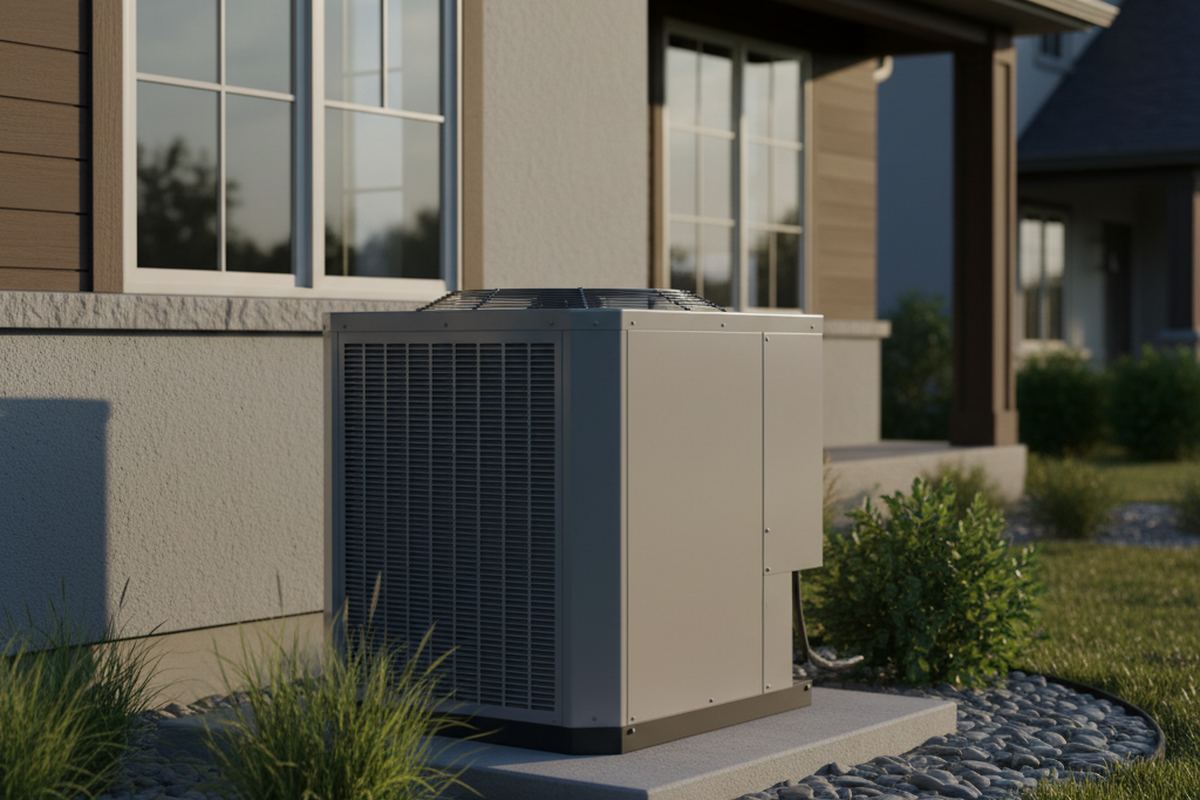
When replacing an HVAC system, one critical decision is selecting the right size. Homeowners often face a dilemma: choose a unit that might be slightly too small or one that's a bit too large. Both undersized and oversized air conditioners and furnaces have drawbacks, impacting comfort, energy bills, and system longevity. Understanding the specific implications of each can help you make an informed choice for your home's needs.
The Risks of an Undersized AC or Furnace
An undersized HVAC unit struggles to meet the heating or cooling demands of your home, especially during extreme weather. For an AC, this means it will run almost continuously, never quite reaching the thermostat setting on hot days. Similarly, an undersized furnace will operate non-stop in winter, leaving rooms feeling cool and damp, particularly in areas furthest from the unit.
Beyond discomfort, continuous operation leads to significantly higher energy bills. The system works harder, consuming more electricity or fuel without achieving the desired results. This constant strain also accelerates wear and tear on components, potentially leading to more frequent breakdowns and a shorter overall lifespan for the unit. You might experience uneven temperatures throughout your home, with some rooms being noticeably warmer or colder than others.
Why Oversized HVAC Units Are Often Worse
While an undersized unit struggles to keep up, an oversized unit presents a different set of problems, which can often be more detrimental. An oversized air conditioner cools your home too quickly, reaching the thermostat setting before it has had enough time to adequately remove humidity from the air. This short-cycling behavior is a hallmark of an oversized AC system.
This rapid cooling and short-cycling create an uncomfortable indoor environment. Your home might feel clammy and damp, even if the temperature is cool, because of excess humidity. For furnaces, an oversized unit heats up the space too quickly, leading to frequent on-off cycles that waste fuel and create temperature swings, making it difficult to maintain consistent comfort.
Energy Inefficiency and Increased Costs
The short-cycling of an oversized unit is highly inefficient. Each time an HVAC system starts up, it draws a significant surge of power. Frequent starts and stops mean these energy spikes occur many times an hour, consuming more electricity or fuel than if the unit ran for longer, more consistent cycles. This can translate to surprisingly high energy bills, despite the unit's higher capacity.
An oversized furnace, for instance, heats rapidly and then shuts off, only to turn on again shortly after. This constant stopping and starting is less efficient than a longer, steady burn. For an AC, the rapid cooling prevents proper dehumidification, leading to a need for supplemental dehumidifiers, which add to your energy consumption and operational costs.
Size your HVAC in BTUs and tons based on square footage, climate zone, insulation, and windows.
Open the HVAC Size CalculatorHumidity Problems and Indoor Air Quality
One of the most significant drawbacks of an oversized air conditioner is its inability to effectively dehumidify. An AC removes moisture from the air as it runs. If it cools the space too quickly and shuts off, it hasn't run long enough to properly condense and drain away humidity. This leaves your home feeling muggy and uncomfortable, even at a cool temperature.
High indoor humidity can lead to several issues, including the growth of mold and mildew, which can trigger allergies and respiratory problems. It can also damage wooden furniture, flooring, and electronics. Maintaining optimal humidity levels (typically between 30-50%) is crucial for both comfort and a healthy indoor environment, a task an oversized AC often fails to achieve.
Reduced Lifespan and Higher Maintenance
Both undersized and oversized units experience increased wear and tear, but for different reasons. An undersized unit is constantly running, leading to continuous stress on its components. An oversized unit, however, suffers from the repeated stress of frequent starting and stopping. The electrical components, compressor, and fan motor are all subjected to more cycles, accelerating their degradation.
This accelerated wear means an oversized system is more prone to breakdowns and requires more frequent repairs. The lifespan of an HVAC system, typically 10-15 years for an AC and 15-20 years for a furnace, can be significantly shortened. This results in higher long-term ownership costs, not just from energy bills, but from maintenance and eventual premature replacement.
The Importance of Proper Sizing
Proper HVAC sizing is not a matter of guesswork; it requires a detailed calculation known as a Manual J load calculation. This calculation considers numerous factors specific to your home, such as square footage, ceiling height, window types and orientation, insulation levels, local climate, and even the number of occupants. A contractor's recommendation based solely on square footage is often insufficient.
Choosing the correct size ensures your system operates efficiently, maintains consistent temperatures, and effectively manages humidity year-round. An accurately sized unit will run for appropriate lengths of time, optimizing energy use, extending its lifespan, and providing superior comfort. Investing in a precise sizing assessment upfront can save thousands of dollars in energy bills and repair costs over the life of your system.
The bottom line
Understanding the pitfalls of both undersized and oversized HVAC systems highlights the importance of accurate sizing. While an undersized unit struggles to keep up, an oversized unit often leads to worse outcomes like short-cycling, high humidity, and increased wear. Prioritize a thorough load calculation to ensure your new system delivers optimal comfort and efficiency for years to come.
Get more guidance like this in your inbox
Weekly emergency-fund tactics, milestone checklists, and the next article — delivered free.
Run your own number
Get a personalized emergency fund target based on your income, expenses, and job stability.
Open the calculator