Watering New Sod: Day-by-Day Schedule for Root Establishment
The 30-day watering schedule that gets new sod deeply rooted without drowning it.
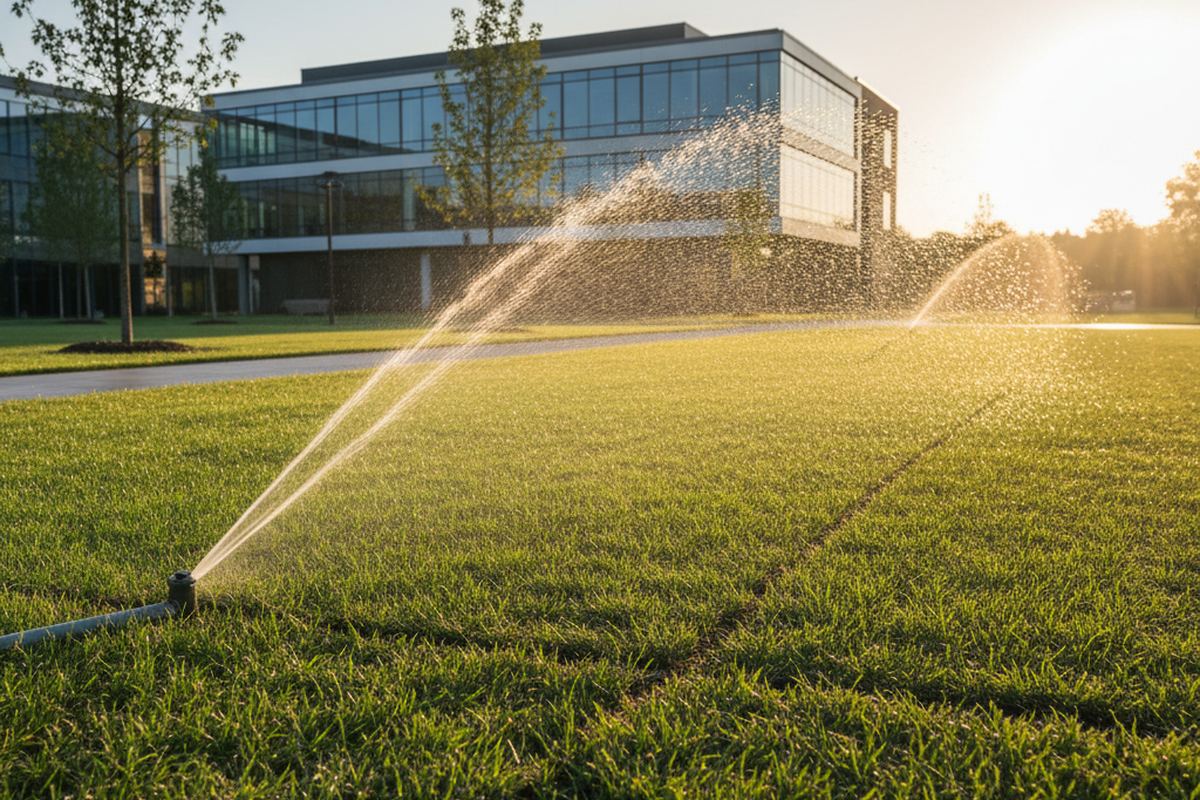
Establishing a new lawn with sod is an investment that pays off with instant green appeal. However, the success of this investment hinges significantly on proper watering during the crucial initial weeks. New sod needs consistent moisture to encourage root growth into the underlying soil, but overwatering can be just as detrimental as underwatering. Understanding the precise watering needs day by day ensures your sod transitions from rolls to a thriving, permanent lawn.
Understanding Initial Sod Watering Needs
The first few days after sod installation are critical for its survival. Sod is essentially mature grass that has been cut and transplanted, meaning its roots have been severed. Immediate and thorough watering is necessary to prevent the sod from drying out and to encourage the severed roots to begin growing into the prepared soil beneath. The goal is to keep the sod and the top few inches of soil consistently moist, but not saturated.
During this initial phase, the sod pieces themselves need to be kept damp to prevent desiccation. This often means multiple, shorter watering sessions throughout the day. The exact frequency will depend on local climate, temperature, and sun exposure. A good test is to lift a corner of the sod; if the underlying soil is dry, it needs more water. If it's squishy, reduce frequency or duration.
Days 1-7: The Critical Establishment Period
For the first week following installation, focus on keeping the sod and the top 2-3 inches of soil consistently moist. This typically translates to watering 3-5 times a day for 10-15 minutes per session, depending on your irrigation system's output and the weather. The aim is to prevent any part of the sod from drying out, especially the edges and corners which are most susceptible to desiccation.
Check the moisture levels frequently by gently lifting a corner of the sod or by probing the soil with a screwdriver. The soil should feel damp, not waterlogged. If puddles form or water runs off, reduce the duration of your watering sessions and increase frequency. This period is about encouraging the roots to make initial contact and begin their downward journey into the soil.
Days 8-14: Encouraging Deeper Root Growth
As your sod begins to root, you can transition to less frequent but longer watering sessions. In the second week, aim for 2-3 watering sessions per day, each lasting 15-20 minutes. The objective now is to encourage roots to grow deeper, seeking moisture further down in the soil profile. This helps create a more resilient lawn that can better withstand environmental stresses.
Continue to monitor soil moisture. The top inch or two of soil can be allowed to dry slightly between waterings, but the soil at a 3-4 inch depth should remain consistently moist. You should notice the sod becoming more difficult to lift, indicating that roots are taking hold. Adjust watering based on observed root growth and weather conditions; hot, sunny days will require more water.
Estimate sod pallets, rolls, and total install cost for your yard — with delivery and prep budget.
Open the Sod CalculatorDays 15-21: Transitioning to Less Frequent Watering
By the third week, your sod should be visibly rooted and much more firmly attached to the ground. You can now reduce watering to once or twice a day, with each session lasting 20-30 minutes. The goal is to water deeply, saturating the soil to a depth of 4-6 inches. Deep watering promotes strong, extensive root systems that are crucial for a healthy, drought-tolerant lawn.
At this stage, carefully observe your lawn for any signs of stress, such as wilting or discoloration, which might indicate insufficient water. Conversely, look for standing water or a consistently squishy feel, which suggests overwatering. This period is about finding the right balance to foster robust root development without promoting fungal diseases.
Days 22-30: Establishing Your Long-Term Schedule
As your sod approaches its first month, it should be well-established and ready for a more typical watering schedule. Reduce watering frequency to every other day, or even every third day, but ensure each session is long enough to deliver 1 to 1.5 inches of water. This deep and infrequent approach is the cornerstone of a healthy, mature lawn.
Consider using a rain gauge to measure the amount of water your irrigation system delivers. Adjust your watering duration until you achieve the desired depth. The specific long-term watering schedule will depend on your grass type, soil composition, and local climate, but the initial 30 days are crucial for setting your new lawn up for success.
Factors Influencing Your Watering Schedule
Several environmental factors can significantly alter the ideal watering schedule for new sod. High temperatures, direct sunlight, and strong winds will increase evaporation and transpiration, meaning your sod will require more frequent watering. Conversely, cooler, cloudy weather and periods of rain will reduce the need for supplemental irrigation.
Soil type also plays a critical role. Sandy soils drain quickly and may require more frequent, shorter watering sessions. Clay soils retain moisture longer and can tolerate less frequent but deeper watering. Always monitor your specific conditions and adjust your schedule accordingly. The goal is to maintain consistent moisture at the root zone without creating waterlogged conditions.
- Temperature and humidity
- Sun exposure
- Wind conditions
- Soil type (sand vs. clay)
- Slope of the lawn
The bottom line
Successfully establishing new sod requires diligent attention to its watering needs during the first month. By following a structured, day-by-day approach and adjusting for environmental factors, you can ensure your new lawn develops a strong, deep root system. This careful initial care will lead to a resilient and vibrant lawn that enhances your home's curb appeal for years to come.
Get more guidance like this in your inbox
Weekly emergency-fund tactics, milestone checklists, and the next article — delivered free.
Run your own number
Get a personalized emergency fund target based on your income, expenses, and job stability.
Open the calculator